
One rate for the pumps
and the roller grill.
One rate for the pumps
and the roller grill.
Fuel and inside sales sit under different merchant category codes and clear at different interchange. Blend them into one rate and the average always flatters one side while the other pays for it.
Free, and nothing at the site changes unless you say so. One month of statements is all we need.
Three places money changes hands.
At the pump
All the volume, on its own fuel code.
- Fuel MCC, priced on its own
- Fleet and fuel cards
- Pre-auth sized to the fill

At the counter
Where the margin actually is.
- Inside sales on their own MCC
- Age prompts on the screen
- Scan, weigh and deposit lines
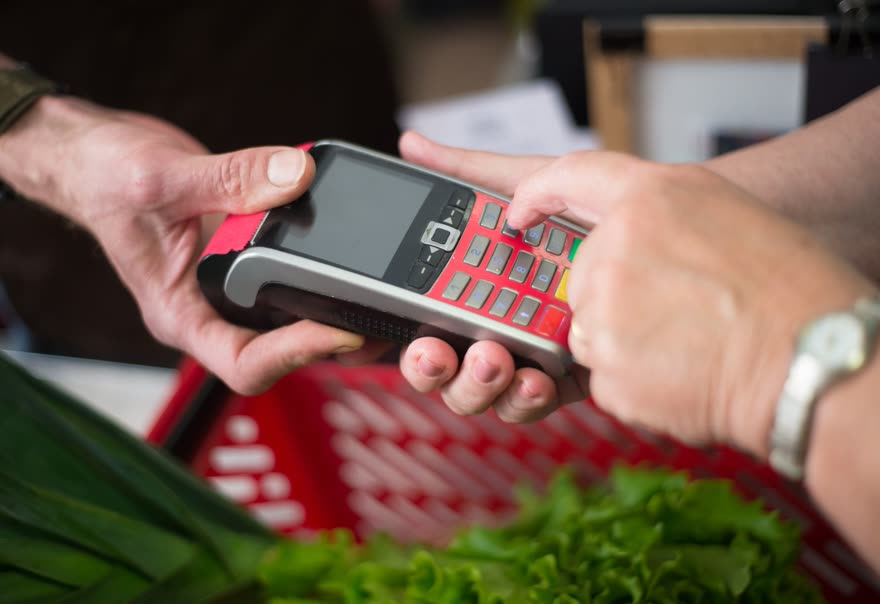
Around the store
Roller grill, curbside and the queue.
- Handheld for the queue
- Food service orders
- Same account, one deposit

What the counter has to handle.
Fuel and shop apart
Two codes, one deposit
Fleet cards
Taken at the pump
Age prompts
On the screen, not on paper
Roller grill and kitchen
Food orders on the same till
Cash discounting
Where your state allows it
Per-site reporting
Every station, one login
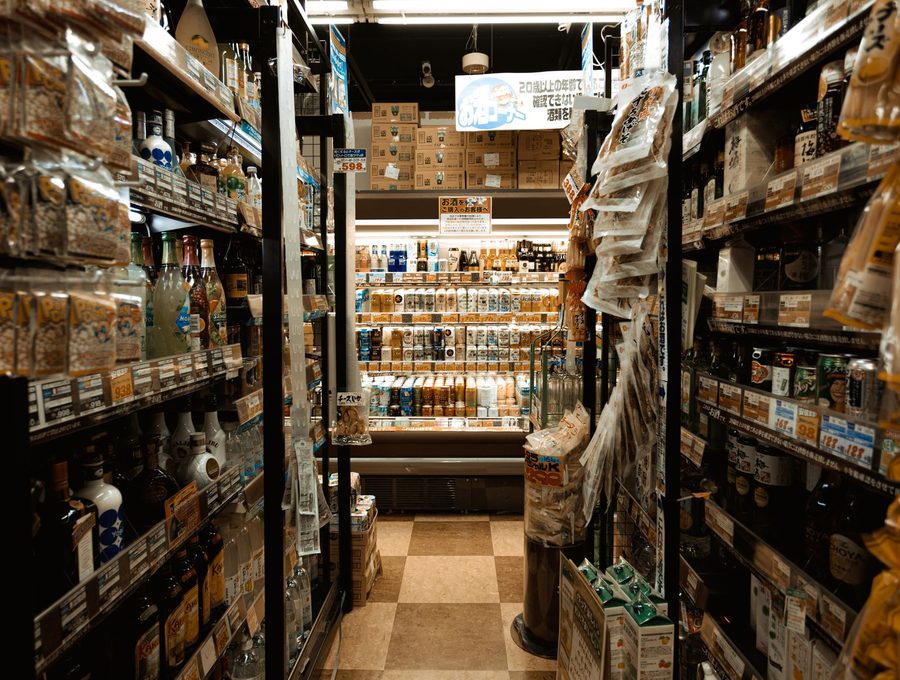
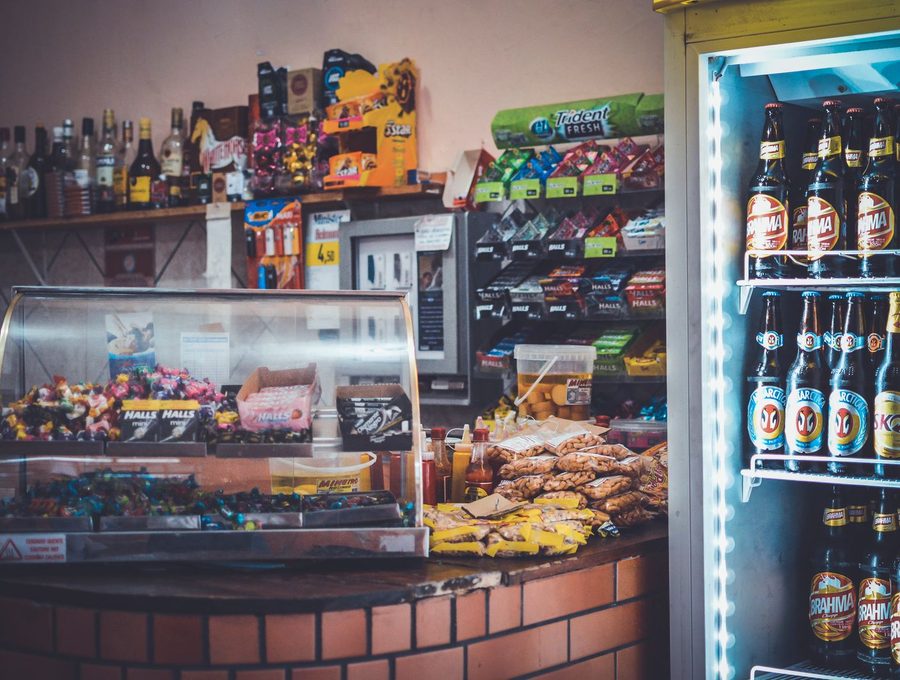
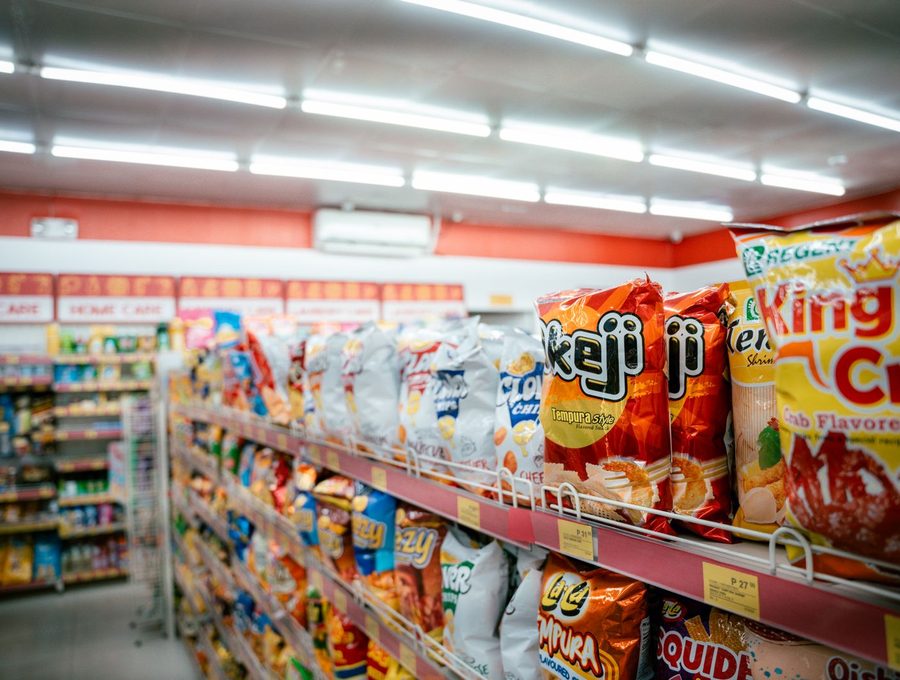
One blended rate, or two honest ones.
| Blended across the site | Fuel and inside, priced apart | |
|---|---|---|
| Merchant category | One code for the whole site | Fuel and retail on their own |
| What you can see | A single average | What each side actually costs |
| Who pays for who | The busy side carries the quiet one | Each side priced on its own volume |
| Fleet cards | A second machine, a second bill | Same account, their own lines |
| Renegotiating | All or nothing | One side at a time |
| Reporting | Site totals | Per lane, per till, per site |
If your site is small enough that one code genuinely is simpler, we will tell you so. Pricing the two sides apart is standard petro practice, not a rule.
Every month blended, one side pays for the other.
Every month blended, one side pays for the other.
You cannot tell which from an average. Send one month and see the two of them on paper.
Free, and nothing at the site changes unless you say so.
From operators who split the two
“I ran one blended rate for years and never questioned it. Priced apart, the shop was carrying the forecourt.”
“Fleet cards used to mean a second terminal and a second statement. Now they are lines on the one we already read.”
What operators ask
One month, both sides marked up line by line, whether or not you switch.
See which side is carrying the site.
See which side is carrying the site.
Send one month. We price fuel and inside sales separately, mark up every line that is not interchange, and send it back.
Free, no switch required, and the answer is yours to keep.
Tell us about the site.
Lanes, whether you run food service, and roughly what fuel and inside each take a month.
Contact Information
One account across the group, per-station reporting, consolidated settlement, and one fuel-card relationship instead of several.
⏱️ Both sides priced within two business days, free, whether or not you switch.
[Agent Legal Entity, LLC] is an independent sales representative. Merchant accounts, approvals, funding timelines, and underwriting decisions are controlled by third-party acquiring banks, payment processors, and card networks. Approval is not guaranteed. Savings examples are illustrative; individual results vary.
Independent Sales Representative Website · Merchant approvals subject to underwriting and processor review · Not a bank, lender, or financial institution · Rates shown are proposals pending representative approval. Platform operated by Residual Pilot.
© 2026 [Agent Legal Entity, LLC] · Website powered by Residual Pilot